Disclaimer: This post reflects my personal experience with a merchant operating on Shopify. It is not an allegation that Shopify intentionally supports fraudulent merchants. Rather, it is a critique of the incentives and customer experience I encountered.
Recently I purchased from a merchant running on Shopify. The store looked legitimate, accepted payment without issue, and presented itself professionally.
Unfortunately, that was where the positive experience ended.
The merchant failed to deliver what was promised. Attempts to resolve the matter directly went nowhere, so I tried contacting Shopify expecting that a platform of its scale would at least investigate.
Instead, I found out that there was no accessible way to report a fraudulent transaction to Shopify.
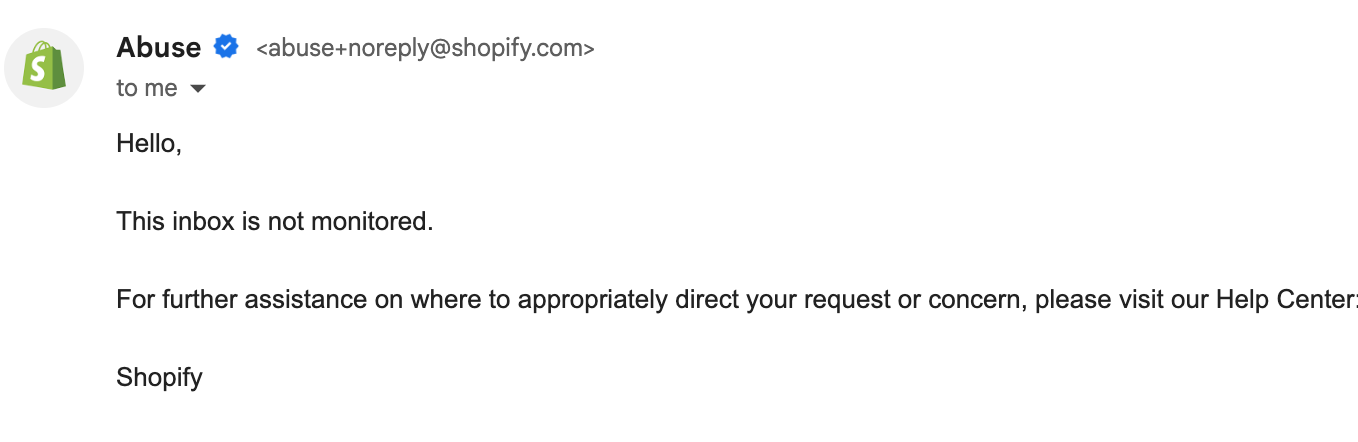
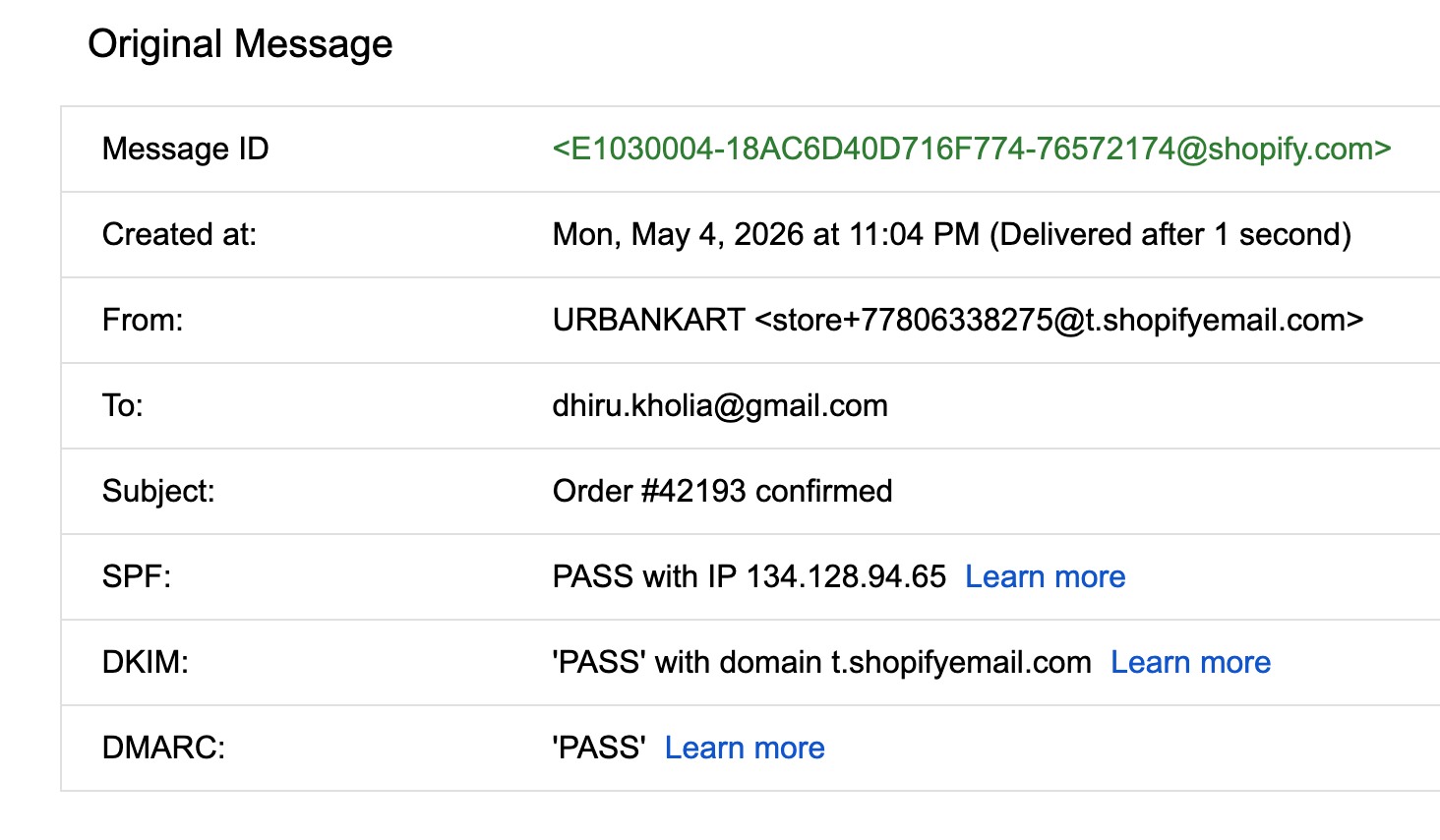
Other Shopify "help" avenues similarly just make you run in circles…
This surprised me!
The scammy web store is still up - Is someone at Shopify listening?
The Incentive Problem
I don't believe platforms intentionally want scammers.
However, platform incentives matter.
Every new merchant increases subscription revenue, payment volume, and ecosystem growth. Customer protection, meanwhile, is largely a cost center.
Those competing incentives can lead to an experience where legitimate customers feel unsupported after fraud occurs.
Whether or not that is the intention, that was certainly my experience.
Trust Is the Real Product
Shopify doesn't just sell storefront software.
It sells confidence.
Consumers recognize Shopify-powered stores and naturally assume there is some level of oversight behind the scenes.
If customers repeatedly discover that fraudulent merchants can operate with minimal consequences - or that disputes receive only generic responses - that confidence erodes.
Trust takes years to build and a single bad experience to lose.
What I Wish Had Happened
I wasn't expecting Shopify to automatically refund me.
I was expecting:
- Better merchant verification.
- Faster investigation of obvious fraud reports.
- Clear communication throughout the review.
- Stronger action against repeat offenders.
- Better transparency into what happens after a complaint.
Even if the outcome remained the same, a meaningful investigation would have inspired more confidence than a template response.
Practical Advice for Online Shoppers
This experience changed how I shop online.
Here are a few habits I'll be following from now on:
- Always pay with a credit card when possible so chargeback protection is available.
- Search independently for reviews instead of relying solely on testimonials on the merchant's website.
- Check the domain age and business presence before purchasing expensive items.
- Keep copies of invoices, emails, tracking pages, and screenshots.
- Be skeptical of unusually good deals from unfamiliar stores.
- Start with a small purchase before committing to a larger order.
If You Need to File a Chargeback
If your merchant disappears or refuses to cooperate:
- Contact the merchant first and document every interaction.
- Save screenshots before pages disappear.
- Contact your payment provider promptly.
- Submit all supporting evidence.
- Continue monitoring the dispute until it closes.
Fortunately, many credit card issuers provide strong consumer protection if you act quickly.
Note: While UPI is a very convenient option for payments, it offers weaker (or non-existent?) consumer protection.
Final Thoughts
Dishonest merchants have always existed.
The real question is how platforms respond after fraud occurs.
Platforms cannot prevent every scam, but they can build systems that discourage abuse, investigate credible complaints, and make customers feel heard.
My trust in that particular merchant is gone.
More importantly, my trust in buying from unfamiliar Shopify stores has been significantly reduced.
If this article prevents even one reader from losing money - or encourages someone to pay with a card that offers chargeback protection - then sharing my experience was worthwhile.
PS
While the amount involved was trivial, it helped in learning (or revising) an important lesson - If it seems too good to be true, it probably is…